
The Values on a Polk County Property Record
Read a Polk County property value record field by field. Pay attention to each label, the year it covers, and the office behind the figure. Polk County relies on its Catalis system as the assessment and tax portal. It holds the parcel-level detail most people want. The search entry itself is public. What changes is the depth. A live session determines which specific fields appear for a given parcel. So don't assume every property card shows a separate appraised figure. Don't expect a complete sale history either. Trust what the actual record labels and dates tell you, not what a property record usually includes elsewhere.
| Value | What It Is | Where |
|---|---|---|
| Assessed value | Parcel-level assessment figure used in the local tax process | County assessment and tax portal |
| Equalized value | State-adjusted municipality total for comparing taxable property values | Wisconsin DOR annual reports |
| Recorded sale consideration | Price stated in a recorded transfer when available; not a new appraisal | Deed image / transfer record |
| Land and improvements | Component values only if the live parcel record displays them | County assessment record |
Assessed value exists for property-tax administration. It can sit far from a negotiated sale price. Equalized value comes from the state. It brings municipal assessments onto a common full-value basis for statewide comparison. A recorded price reflects a single transaction under its own circumstances. The level or ratio of assessment describes how assessed value relates to estimated market value. It does so across a jurisdiction or reporting period. It is not a magic multiplier that turns one parcel's assessment into a current offer. For a parcel-specific entry, the county's Catalis public portal is the right starting point. Wisconsin DOR's aggregate assessment-ratio reports supply the wider ratio context. They do not offer an appraisal of any individual house.
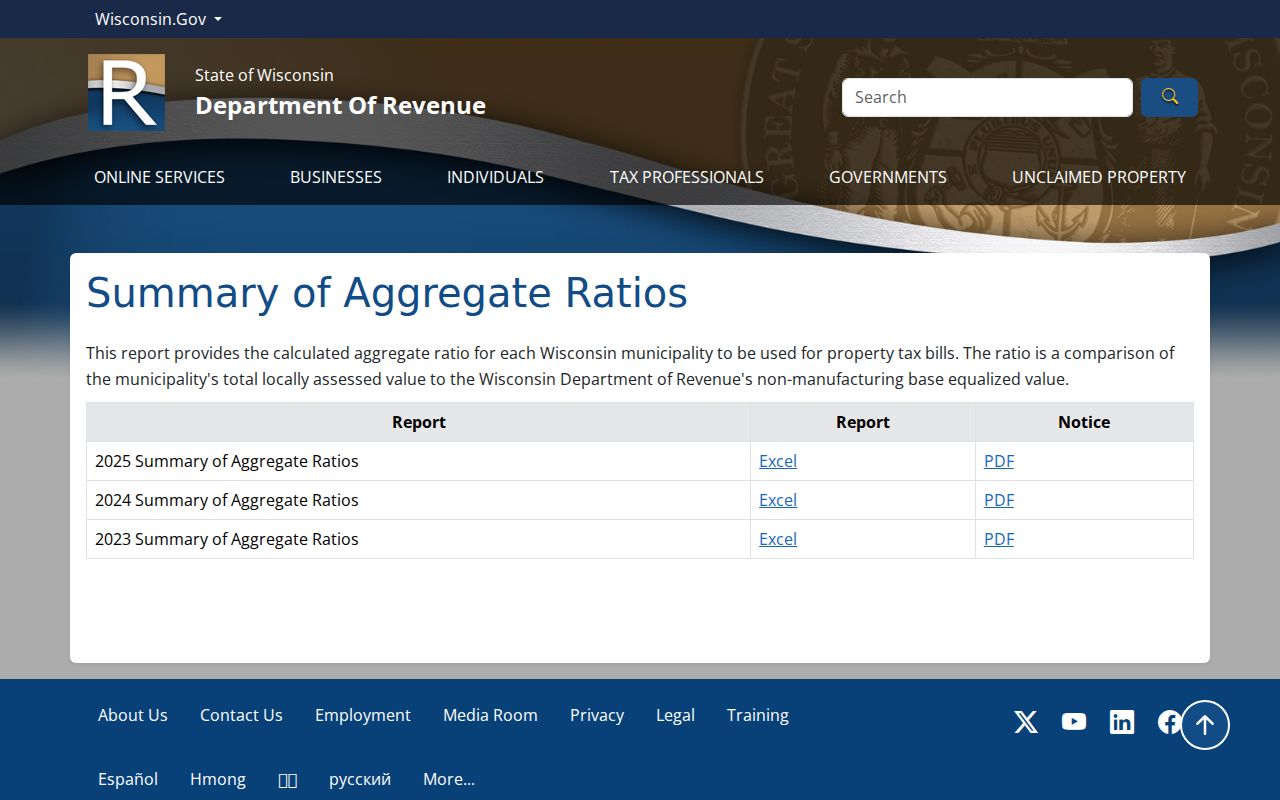
Match the tool to the task: the DOR report for municipality-level comparisons, the county portal for the individual parcel entry.
Looking Up a Polk County Property Value
Begin with the parcel's most reliable identifier. The Polk County portal supports search by owner name, street address, parcel, municipality, and PLSS. Address coverage is not universal. For rural land or an older address, a parcel number, legal location, or last name often works better as the key.
- Open the Polk County portal and choose Guest Sign In.
- Search by parcel, address, owner, municipality, or PLSS and open the matching parcel record.
- Read the field labels, assessed year, and any land or improvement breakdown that is actually displayed.
- If you need a transaction reference, locate a recorded deed and compare its date and consideration separately.
- Assessed value
- The local parcel assessment used in the tax process for its stated year.
- Equalized value
- A state-calculated value used to compare municipality-level property values on a common basis.
- Appraisal
- A valuation opinion prepared for a defined purpose and date; a tax roll entry is not a substitute.
- Assessment ratio
- A reported relationship between assessed values and estimated market values for a jurisdiction or period.
What a Polk County Assessor Value Is Not
An assessor's figure serves public tax administration. It is not an individualized opinion for a pending sale, refinance, estate distribution, or construction project. Assessment methods draw on market evidence and property characteristics from a particular moment. So they can lag a fast-moving market. Recent condition changes or permitted work may not appear yet. When real money depends on a value, bring in a qualified appraiser or another professional for that specific purpose.
Value vs price. A Polk County assessment is not a forecast of the amount a buyer will pay. A current market appraisal requires property-specific review and an effective date tied to the intended use.
Reading the Year on a Polk County Value
Always keep the year attached to an assessment. A parcel card viewed today may describe a value set for an earlier assessment roll. An annual tax bill can reflect that year's assessed amount rather than current market conditions. A later deed carries its own transaction date. A DOR report runs on its reporting year. Mix those dates and a correct figure starts to look wrong. The portal covers tax information from 2000 forward. That span reaches most recent records. It does not guarantee every value field for every year or parcel. If a period you need is missing, ask the county which archived roll or record answers that question. Write down the parcel identifier, assessment year, and exact field label from each search. Equalized-value reports and individual assessment cards describe different levels of information. Careful notes pay off when comparing parcels.
How Wisconsin Assessment Ratios Add Context
Wisconsin's Department of Revenue publishes aggregate ratio reports. These show whether a municipality's assessments broadly track estimated full value. The figures are statistical context for an assessment period. They do not mean every parcel is assessed at the same percentage. A homeowner should not multiply an individual assessment by a countywide ratio. The result would not be a sale appraisal.
For Polk County property value research, compare the parcel record with the DOR report only after matching municipality and year. A local assessment under review calls for the notice and assessment details. The responsible assessor also provides instructions. A ratio report describes community-level value comparisons, not a parcel appeal result.
The DOR report selector is linked above, and its reporting scope is statewide. It is not the county's parcel lookup, and it omits many individual property characteristics.
Comparing a Value With a Recorded Sale
A deed often shows the consideration paid, but that figure deserves a second look. Family transfers, gifts, partial interests, and entity changes can all produce amounts far from an open-market price. Read the recorded instrument itself in the Register of Deeds index rather than trusting a secondary summary. Check the parties, the date, and the property description. Confirm the deed covers the whole parcel. Keep in mind the recording date can differ from the date the deal was signed or closed.
Next, line up the sale date against the assessment year. Gaps between the two may reflect market movement, improvements to the property, or a change in exactly what land changed hands. Comparing the records this way can explain why a deed shows one number and the tax roll shows another. It cannot replace an appraisal, though. Nor does it establish what the property is worth today.
Why a Polk County Property Value Can Change
Assessed values shift for several reasons. The assessor may update property characteristics, apply new market evidence, or complete a scheduled assessment cycle. A new building, a remodel, a parcel split, or a data correction can all change the record. Shifting market conditions can also make older assessments look out of step with current sale prices before any new roll appears.
Polk County publishes no parcel-specific reassessment calendar, and a new value does not necessarily appear right after a sale or improvement. Check the notice and assessment year for the parcel instead of assuming a deed filing triggers a revaluation. An owner who questions a current assessment should follow the review process the assessor states for that notice year. Tax history helps put a prior assessed value in context, but tax totals also reflect rates and other billing factors. The Polk County property-tax guide covers that separate record set. To open the parcel search, follow the Polk County property-search guide.
Choosing the Right Polk County Value Source
Pick the source that fits the question. The county assessment and tax portal works best for a parcel-level value of record. DOR equalized-value data serves a different need, municipality-level context. Recorded deeds remain the place for instrument and transfer detail. They cover a sale or ownership change. For a lending, estate, insurance, or purchase decision, use a qualified professional. That valuation is prepared for the specific purpose.
The county's land-records online hub gathers these online sources. The assessment portal opens with Guest Sign In. When a value is missing or a field looks inconsistent, ask the custodian a question. What period and record type does the portal cover? Do this rather than guessing at a number.
A well-sourced Polk County property value note should state the amount. It should also list the field name, parcel, source, and effective year. That small amount of context matters. It keeps an assessment from being mistaken for an equalized value, a sale price, or a professional appraisal.